 NxtPath Login
Frontline leaders carry the weight of the workday, day in and day out.
They are expected to keep operations moving, support their people, solve problems, reinforce expectations, develop team members, and respond when something goes off track. In many workplaces, they are also the first to notice when someone is struggling, when a process is breaking down, or when a team member has an idea that could improve the work.
But noticing is not always the same as knowing what to do next.Many frontline leaders are working from memory, scattered notes, delayed reports, or whatever issue feels most urgent in the moment. That makes it easy for important signals to get missed.
-
A team member goes too long without a check-in.
-
A small problem keeps repeating.
-
A goal gets set but not followed up on.
-
A person does great work but never hears that it mattered.
Better work requires a better leadership rhythm.
In many operations-led organizations, this is where Leader Standard Work becomes essential. Leader Standard Work is the set of repeatable leadership behaviors and actions that help supervisors create consistency across shifts, teams, and locations. It is not meant to add more administrative work. It is meant to make the right leadership behaviors easier to repeat, such as checking in with team members, following up on issues, recognizing contributions, reinforcing expectations, and escalating obstacles before they grow.
The challenge is that traditional Leader Standard Work often lives on paper, in binders, or in a checklist that gets separated from the real conditions of the workday. NxtPath helps bring Leader Standard Work into the flow of work by turning real team signals into easy-to-access, clear daily leadership actions.
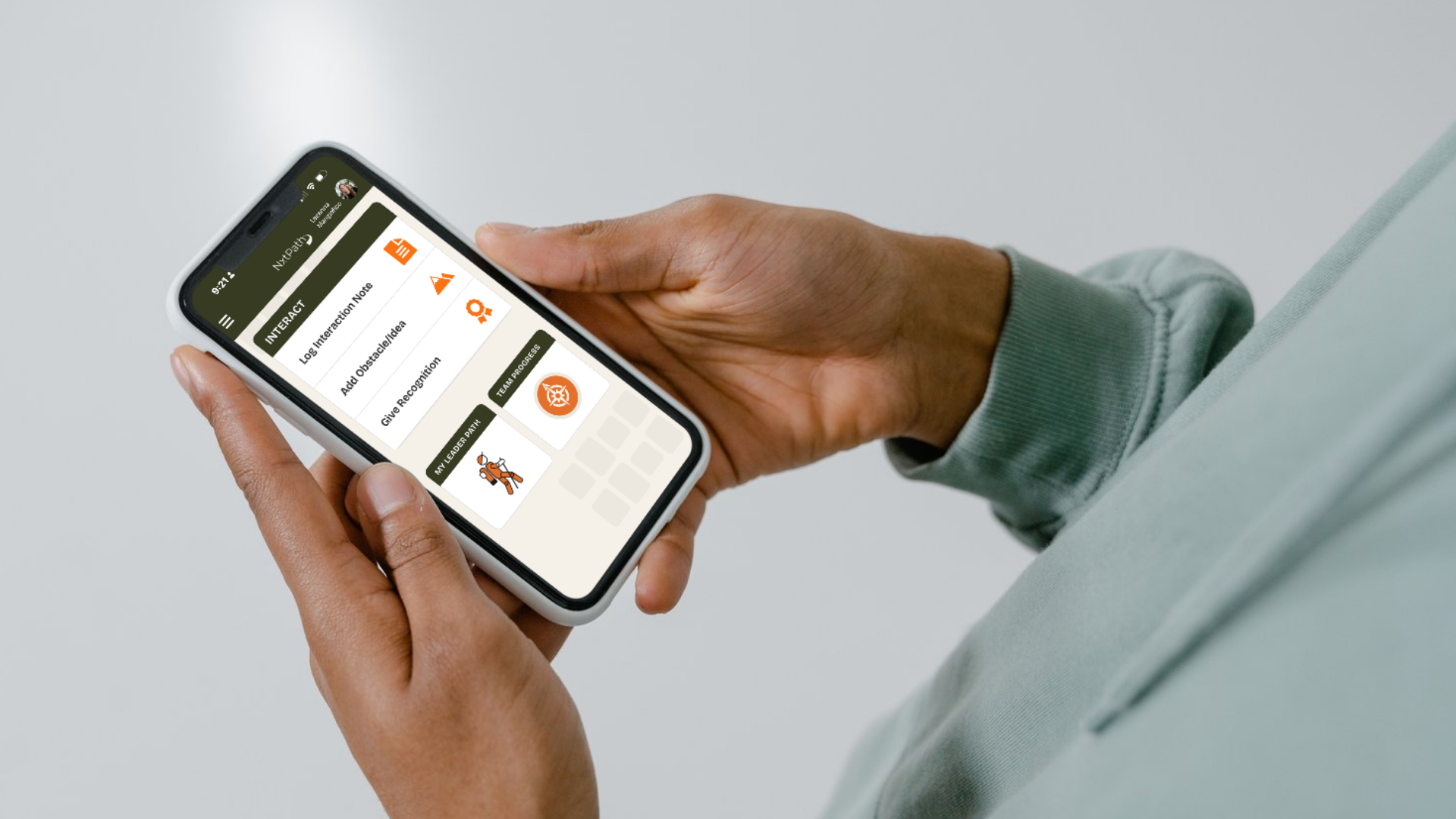
Because NxtPath is accessible across devices, leaders do not have to wait until they are back at a desk to take action. They can capture notes, recognize contributions, surface obstacles, and follow up on their phone or tablet while the moment is still fresh.
The Morning: Knowing Where to Focus
A frontline leader starts the day with competing priorities.
-
Production targets are waiting.
-
Staffing needs are shifting.
-
Someone called in sick.
-
A customer issue needs attention.
-
The floor is already moving.
In that environment, leadership can quickly become reactive.
The leader may want to check in with the team, but the question is: who needs attention first?
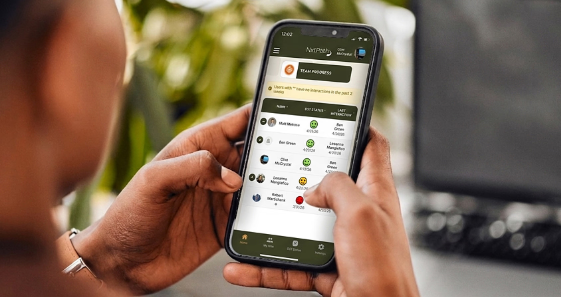
This is where real-time visibility matters. Instead of relying on instinct alone, a leader needs a clear view of which team members need support, which conversations are overdue, and which issues could become larger problems if they are not addressed.
For example, the leader may see that one team member has not had a recent interaction, another has a change in status, and another has an upcoming milestone worth recognizing. The value is not just the information, it is the prioritization.
NxtPath supports this through tools like My Leader Path, which is designed as a prioritized daily operating rhythm built from team signals. Its purpose is to help leaders focus on the interactions and support that matter most.
This is Leader Standard Work in practice: not a generic checklist, but a daily rhythm that helps leaders spend time where it matters most. Instead of asking every supervisor to remember every follow-up, NxtPath helps structure the day around the people, obstacles, and conversations that need attention.
Mid-Shift: Turning Conversations Into Action
Once the day is moving, the most important leadership moments often happen in short conversations.
-
A team member mentions that a handoff is creating confusion.
-
Someone says they want to learn a different task or be on another team.
-
Another person shares that they are frustrated with how a recent change was communicated.
-
A leader notices a strong contribution that deserves recognition.
These moments are easy to lose if there is no system for capturing them.
A quick check-in becomes more valuable when the leader can log a note, document recognition, capture an obstacle, or connect the conversation to a goal. That creates continuity. The next conversation can build on the last one instead of starting over or trying to keep it all in their heads.
NxtPath’s Interactions feature is built for this kind of workplace participation. Interactions support obstacle tracking, recognition, workplace ideas, and root-cause problem solving.
That matters because leadership engagement is not just about talking to people. It is about supporting your people and giving them the tools needed to improve the work.
From a Leader Standard Work perspective, this is the difference between “I had a good conversation” and “I created follow-through.” A standard leadership routine should not stop at the conversation. It should help the leader capture what was learned, decide what action is needed, and make sure the issue or opportunity does not disappear when the shift gets busy.
Afternoon: Making Obstacles Visible
In many operations-led environments, problems repeat because they never become visible outside the moment where they happen.
-
A team member works around a broken process.
-
A supervisor solves the same issue again and again.
-
A shift develops its own informal workaround.
-
The work keeps moving, but the root cause remains.
That is one of the biggest differences between managing activity and improving work.
When leaders and team members have a simple way to surface obstacles, ideas, and recurring issues, the organization can begin to see patterns. One obstacle may be local. Ten similar obstacles across teams may point to a process, training, staffing, or communication gap.
Visibility to these things becomes transformational when it scales, because operations leaders need to see patterns across teams, shifts, and locations instead of allowing issues to stay isolated and repeat.
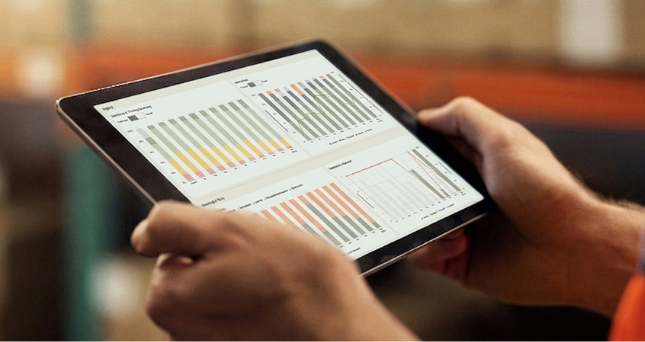
NxtPath supports that by connecting frontline insight to broader visibility. The Visibility Center is positioned to provide workforce health, participation, retention, and operational insights that help leaders make better decisions.
This is also where Leader Standard Work connects people development to process discipline. The leader’s routine is not only to walk the floor or complete a checklist. It is to notice where work is breaking down, listen to the people closest to the work, capture the obstacle, and make sure it becomes part of the improvement system.
End of Day: Building Better Leadership Habits
At the end of a shift, the leader may have had several important moments:
-
a check-in,
-
a recognition,
-
an obstacle,
-
a coaching conversation,
-
and a follow-up on a goal.
Without a system, those moments often stay informal. They depend on the leader’s memory and bandwidth. Over time, that creates inconsistency.
With a better rhythm, the day becomes part of a larger pattern.
The leader can see what was completed, what still needs follow-up, and where support is needed next. Team members have a clearer path and managers have better visibility. The organization has a stronger connection between people growth and process improvement.
This is especially important for leadership development. Development cannot only happen in workshops or one-time training sessions. Leaders build better habits when coaching, follow-up, participation, and reflection are embedded into the work itself.
In this way, NxtPath helps Leader Standard Work stick. The system reinforces the daily behaviors leaders are expected to practice, creates visibility into whether those behaviors are happening, and helps managers coach from real activity rather than assumptions. For operations leaders, this matters because consistency across supervisors is often what determines whether improvement lasts.
Why This Matters
Frontline leaders do not need more one-off trainings, more meetings, or more after-the-fact reports.
They need a practical way to see what is happening, focus their attention, support their people, and improve the work while the work is happening.
That is where NxtPath fits.
NxtPath connects learning, participation, and visibility in one platform. Team members can check in, surface obstacles, share goals, and build skills. Leaders can see where help is needed, who may be struggling, and which issues require attention. Organizational leaders can see broader trends in team health, leadership effectiveness, and operational stability.
Leader Standard Work is a discipline supported by organizations already using Lean, operational excellence, or continuous improvement systems. NxtPath does not replace those efforts. It helps make them more sustainable by reinforcing the daily leadership routines that keep improvement alive.
Better work is not built through one big initiative. It is built through daily leadership moments that become visible, consistent, and actionable.
That is what a better day in the life of a frontline leader can look like.
See how NxtPath helps frontline leaders build better work habits, strengthen Leader Standard Work, and turn daily team signals into action. Schedule a demo today.